A practical look at casino stays, gaming, dining and nearby accommodation in Victoria, including the distinction between a venue and a hotel.
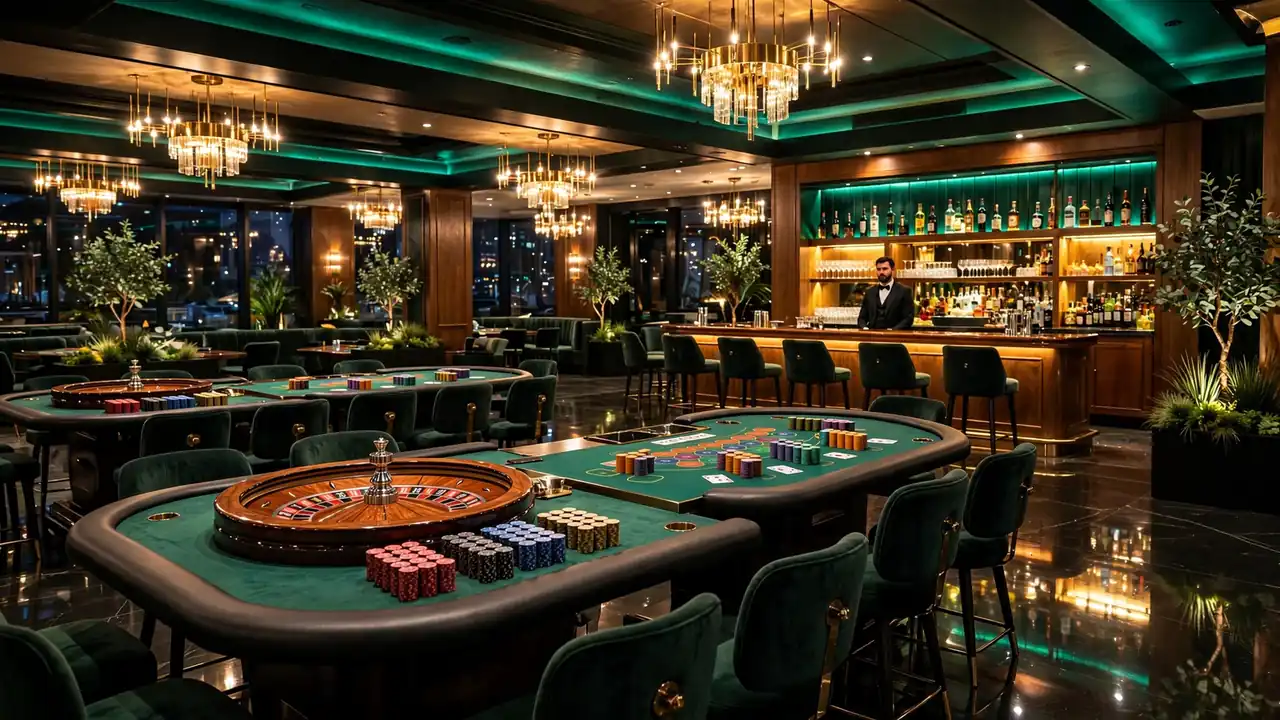
A casino hotel sounds like a single proposition: a room upstairs, gambling downstairs, and no need to think about the journey between them. In practice, the label can cover different arrangements. A hotel may be part of a casino complex, associated with one, or simply close enough to appear in the same travel search. Those are not interchangeable, especially when the booking concerns an overnight stay rather than an evening out.
For Victoria, the name of a casino alone does not establish that it operates a hotel, that rooms are available, or that a particular room comes with access to any venue. A search for a casino hotel in Victoria therefore needs to be resolved into ordinary booking questions: which property is actually providing the room, what is included in the reservation, and where is the hotel in relation to the casino? Until those details are clear, “casino hotel” is a useful description of intent, not a dependable description of a booking.
The distinction matters most when a listing uses the casino as its main point of reference. A property marketed as part of a casino stay might be on the same site; a hotel near a casino might require a separate journey and separate arrangements. The phrase “near the casino” does not say how close, while “casino hotel” does not by itself confirm that the hotel and gaming venue share an operator or facilities. Wording can suggest a seamless stay. The reservation terms are what define it.
Choosing a casino in Victoria means checking the details that matter to you, such as licensing information, deposit minimums and payout times where these are stated. This list offers a concise starting point for reviewing the available options.
Rollero Casino
Rollero Casino lists a Curacao Gaming Control Board licence, OGL/2023/176/0095, held by Hollycorn N.V.
LuckyVibe
LuckyVibe lists a Curacao Gaming Control Board licence, OGL/2023/176/0095, held by Hollycorn N.V.
House of Pokies
House of Pokies lists an international iGaming licence, though the jurisdiction is not named in the source. PayID payouts are stated as taking 1–24 hours; the minimum deposit is A$30, or A$10 when using PayID.
Wild Tokyo
Wild Tokyo lists a Curacao licence and a A$10 minimum deposit. Its stated payout times are 30–60 minutes for crypto and 1–5 days for fiat.
Uptown Pokies
Uptown Pokies lists a Curacao licence and has been operating since 2017. Its minimum deposit is A$20.
MrPacho
MrPacho's stated payout times are 30–120 minutes for crypto and 24–72 hours for fiat. Its minimum deposit is A$30.
Golden Pokies
Golden Pokies lists a Curacao licence.
WinSpirit Casino
WinSpirit Casino lists a Curacao eGaming licence, OGL/2024/923/0383, held by Antillephone N.V. Its minimum deposit is A$30.
JustCasino
JustCasino lists a Curacao Gaming Control Board licence.
Kingmaker
Kingmaker's stated payout times are around 90 minutes for crypto and 1–5 days for fiat. Its minimum deposit is A$30.
Room searches bring another set of assumptions. A photograph, a room category or a package label can create a strong impression, but only the booking details can establish what is being reserved. The room type, occupancy conditions, included services, cancellation rules and total price should be clear before a reservation is made. No particular room features or deal terms can be treated as standard across Victoria’s casino-related accommodation. A special offer, where one appears, is a property-specific arrangement rather than a general feature of staying near a casino.
This is also why a casino hotel deal should be read as a bundle, not as a headline. The relevant question is not simply whether the price looks reduced, but which nights and services it covers and what conditions apply. If a package mentions casino access or another inclusion, that detail needs to appear in the actual terms. A hotel name in promotional wording is not a substitute for knowing who supplies each part of the stay.
Opening hours are separate from room access. A hotel’s reception, check-in arrangements and overnight services are not necessarily governed by the casino’s operating schedule, and the schedule of a gaming venue does not establish when a hotel accepts arrivals. The two questions belong to different services. Anyone planning a late arrival or a stay built around a casino visit needs the relevant hours confirmed for each property, rather than assuming that one timetable covers both.
 Casino in Western Australia: Hotel and Venue SearchesLearn how hotel, poker, online casino and amenity searches differ, and why search terms alone do not verify properties, offers or facilities.
 Best pokies in Canberra: hours and venue checksThere is no single Canberra-wide opening time: venue hours may differ from gaming-area hours, and listings cannot confirm current access or temporary…
There is a broader social distinction here. A hotel stay is organised around sleep, privacy and the practicalities of travel; a casino visit is organised around a venue and its own rules. Marketing often folds the two into one image of convenience, but a room reservation does not itself establish what is available on the casino floor, and casino access does not define the quality or terms of the room. The overnight stay remains a separate purchase.
The safest way to compare Victoria casino hotels is therefore to begin with the property, not the promise. Confirm who operates it, whether the reservation is for an on-site hotel or a separate nearby property, what the room rate includes, and which conditions apply. Then check arrival arrangements and the casino’s hours independently. This avoids turning a search phrase into an assumption about facilities, access or value.
A hotel linked in some way to a casino may suit a particular trip, but the connection needs to be explicit. Without that, “casino hotel” is only a label. The details do the work.
Poker and poker machines are often gathered under the same search for a casino floor, though they describe different kinds of play. Poker is a table game shaped by opponents, decisions and changing hands. Pokies are machines. A large machine floor therefore says something about the scale of electronic gambling, but it does not establish that a venue has a poker room or runs tournaments.
A specialist review reports that Crown Casino has more than 3,500 poker machines. That is a claim about one venue, not a measure of every casino in Victoria, and it should not be mistaken for a count of poker tables. The distinction matters: a machine count can give a sense of the prominence of one form of play without answering practical questions about live poker.
For anyone looking for a poker room or tournament, those details need to be treated separately from the broader casino-floor picture. A venue’s size, or the presence of many machines, cannot confirm a tournament calendar, table availability or the format of a game. Those arrangements can change; an old listing may describe a past event rather than a current one. The label “poker” is not a schedule.
The same restraint applies to questions about whether a casino is open at a particular time. A general description of a live venue does not confirm its current opening status, and a tournament listing does not by itself show that other parts of the floor are operating. Current venue information is the appropriate place to establish those details. No sensible account of the gambling floor can turn a broad description into a live update.
Victoria’s land-based casinos are monitored by the Victorian Commission for Gambling and Liquor Regulation. That oversight places casino gambling within a public regulatory structure: the floor is not simply a private room whose rules are known only to its operator. Regulation matters especially in a setting where several forms of gambling can sit side by side, and where the visitor may see machines, tables and other activity as one continuous experience.
 Best Casino in Brisbane: Venue and Online RulesUnderstand how Brisbane venue searches differ from online casino play, what the Interactive Gambling Act 2001 restricts, and which visit details need…
 Best Pokies in Tasmania: Hours, Access and Search LimitsLearn why venue listings cannot confirm live opening status or pokies access, and how distance, game mechanics and regulation shape Tasmania searches.
But regulation and venue particulars are different kinds of information. The commission’s role does not, on its own, tell anyone whether a particular poker tournament is running, which games are available, or whether a particular room is open. A regulator oversees the sector; it is not a substitute for a current venue notice. A small distinction, with practical consequences.
The casino floor also carries a social history. Machines make gambling legible as an individual routine: a seat, a screen, repeated choices. Poker makes its social element harder to ignore, since the table is organised around other people and the uncertain reading of their decisions. The two forms may share a building, but they do not offer the same experience, nor do they answer the same question when someone asks about poker.
So the useful starting point is precision. A reported machine count describes machines. A poker-room listing or tournament notice would describe live poker, if current and confirmed. Neither should be inferred from the other. In a casino, the floor can look like one sprawling proposition; in practice, its separate games and arrangements have to be understood on their own terms.
Breakfast, buffet, resort and rewards searches can make a casino sound like a single, neatly packaged destination. The words point to different things. A breakfast service is a meal occasion; a buffet describes a way of serving food; “resort” suggests a broader stay; and a rewards programme concerns recognition or benefits. One label does not establish the others.
That distinction matters because familiar hospitality language carries its own promises. “Buffet breakfast” suggests a particular format and time of day, while “casino resort” can imply that gambling, accommodation and leisure facilities belong to one operation. A phrase on a page, in an advert or in a listing is not enough to establish the practical details behind it. The arrangement, availability and terms would need to be stated by the venue itself.
The same caution applies to rewards. The word can refer to many different schemes, but it says nothing on its own about eligibility, how benefits are earned, what they can be used for or whether conditions apply. Those are not small print around a settled idea; they define the offer. Without clear terms, “rewards” is a category, not a usable description.
Breakfast and buffet should also remain separate from restaurant choices. A venue might use one restaurant for a morning service, offer food in another format, or make no such arrangement; the category alone cannot settle which. Nor does the word “resort” confirm that meals are included in a stay. Hospitality language is often capacious. The actual terms are narrower.
There is a social history tucked into this vocabulary. Casinos borrow the language of hotels and resorts because gambling has long been presented alongside leisure: a night out becomes a visit, and a visit becomes a destination. The vocabulary makes the experience sound continuous, from arrival to dining to play. Yet each part remains a separate service, with its own conditions and practical facts. A polished umbrella term cannot substitute for them.
Employment searches belong to another branch of the same landscape. Looking for casino jobs in Victoria is not the same as looking for a breakfast package or a rewards offer. A job title, employer, location and application process are distinct pieces of information; the general phrase “casino jobs” does not identify a particular vacancy. The distinction is useful because hospitality businesses and gambling venues may share a setting in public imagination without sharing every service or role.
The most reliable reading of these labels is therefore literal. Breakfast means a meal occasion, buffet a serving format, resort a broad description of a destination, and rewards an offer whose terms need definition. None should be treated as proof of another. In a market where a single building can gather several kinds of activity under one roof, words can make the arrangement appear simpler than it is.
That is the quiet work of the fine print: separating a promise from its name.
A search for a casino in Victoria can point to two quite different things: a physical venue, or casino-style games delivered online. The distinction matters because Australian law treats the online service differently from a visit to a land-based casino. A venue’s dining, parking or other practical details do not alter that boundary.
The Interactive Gambling Act 2001 prohibits operators from providing real-money online casino games to people in Australia. That includes familiar formats such as slots, roulette, blackjack and online poker. The restriction applies to customers in Victoria as well as elsewhere in the country; it is not a separate Victorian licensing question that an online operator can solve by presenting itself as a local casino.
Nor is there a Victorian-licensed online casino offering slots, roulette or blackjack. Australian-based online casinos are not permitted to operate within the country’s borders. The law draws its line around the service being offered, rather than the wording used to describe it: an online casino does not become a land-based venue because it borrows the name or atmosphere of one.
That can make searches combining a Victoria casino with “online” seem to promise more than the law allows. A physical casino and an online gambling service are not interchangeable versions of the same offering. The former is a venue; the latter, when it supplies prohibited casino-style games to people in Australia, falls under the federal ban. The distinction is plain, if not always convenient.
Searches that pair a casino with dining, bingo or parking can also blur the categories. Those terms may relate to practical questions about a place, while “online casino” concerns the provision of gambling services over the internet. Neither a restaurant listing nor a car-park result establishes that an online casino service is lawful. A shared name is not a shared legal status.
The wider policy has a telling shape. Australia permits land-based casino gambling under state oversight, yet federal law prevents operators from supplying real-money online casino games to Australian customers. The result is not a general approval of gambling wherever it appears, but a boundary drawn around the mode of delivery. The screen changes the rules.
For anyone assessing a claim about an online casino in Victoria, the central question is therefore not whether the site looks local or uses a familiar venue name. It is whether it offers casino-style games to people located in Australia. Under the Interactive Gambling Act 2001, operators cannot legally provide those games to Australian customers. A search result, an advertisement or a polished website does not change that position.
Accommodation near a casino is not necessarily accommodation inside one. The distinction matters: a nearby hotel, apartment or other lodging is a separate choice, even when its address makes a casino visit part of the appeal. A search for somewhere to stay close by does not, by itself, establish that a property is affiliated with the casino, offers a package, or includes access to any venue services.
“Near” is elastic. It may mean a short walk, a quick trip by transport, or simply a location that feels convenient on a map. Without a confirmed property address and route, the word cannot carry a dependable travel time. The same is true of parking: a listing’s proximity does not show whether parking is available, what it costs, or whether spaces are reserved for guests. Those are separate details, not hidden in the idea of being nearby.
The surrounding area also has to be considered as a place to stay in its own right. A room can be close to an attraction yet poorly suited to the rest of a visit; another may sit farther away but better match the traveller’s plans. Transport connections, cancellation conditions, accessibility, room configuration and the total price are the practical distinctions between listings. None can be inferred from the phrase “casino accommodation.”
That restraint is useful when comparing advertised deals. A price label may refer to a particular date, room type or booking condition, while a general search result may not explain what is included. A promotion associated with a casino should not be assumed to apply to independent accommodation nearby. The language of a deal is not the deal itself.
There is a small social geography in these searches. A casino draws attention as a destination, and lodging around it is often described by reference to that landmark. Yet a stay is made of more than distance to a gaming floor: it involves the neighbourhood, the journey between places and the terms attached to a booking. The landmark supplies a convenient shorthand; it does not tell the whole story.
For Victoria, the phrase “accommodation near the casino” therefore points to a category rather than a verified set of properties. It should not be read as a promise of a particular hotel, an endorsed lodging option or a special rate. Nearby accommodation and a casino hotel are not interchangeable labels, and proximity alone confirms neither connection nor value.
A careful comparison depends on particulars that can be checked for the intended dates: the property’s own location, transport arrangements, parking terms and booking conditions. Without those details, claims about a bargain or an especially convenient stay would be guesswork dressed as guidance. The useful distinction remains simple: nearby lodging is its own decision, not an extension of the casino’s name.
A request for a Victoria casino contact number sounds simple until the name of the venue is settled. Crown Melbourne is the casino operator named in Victoria’s gambling landscape, but a search phrase alone cannot establish a current phone number, the right department or whether a particular enquiry should go to the casino, a hotel desk or an event organiser. Those distinctions matter: a number that reaches the wrong office is still a number, but not much of an answer.
For practical enquiries, the safest reference point is information published directly by Crown Melbourne. Third-party directories can be useful starting points, yet their entries may not explain what an office handles or whether a detail is current. A general contact route and a department-specific route are not interchangeable. The same care applies to maps: a pin can indicate a broad destination without answering which entrance, service area or parking point is relevant. Small uncertainties tend to arrive at the door with the visitor.
Bars, baccarat and craps belong to different kinds of enquiry. A bar search concerns a place to spend time; baccarat and craps concern games on a casino floor. None of those search terms, by itself, establishes that a particular bar, table or service is available at a venue, or gives its hours and conditions. The useful distinction is between a general description and a live operational detail. The latter can change, and a stale listing can make a confident claim look more reliable than it is.
Concert searches call for the same restraint. An event schedule is time-sensitive by nature, so a venue’s current programme should be checked through its own published announcements rather than inferred from older event pages or broad entertainment listings. A concert venue, a casino and the wider resort can share a name while having separate arrangements. Exact dates, ticketing information and entry instructions need to come from the event’s own current notice.
Parking is similarly practical, and rarely answered by the word “car park” alone. A useful listing would need to clarify where parking is, how access works and whether any conditions apply. Without current venue-specific information, it would be misleading to present a location, entrance or parking arrangement as settled. The same goes for a map: a general map of the precinct may not be a parking guide.
There is a social history tucked into these small searches. A casino is imagined not only as a room of games, but as a meeting point: a drink before an event, a table game, a car left nearby, a number kept for later. The search for one contact point tries to make that whole evening legible in advance. The venue, however, is made of separate services, each with its own details. Better to keep those details distinct than to turn a plausible guess into directions.
A search for whether a Victoria casino is open sounds like a simple request for a status update. It is not quite that simple. “Victoria” can mean the state, while Crown Melbourne and Crown Casino are names associated with the venue discussed in many casino-related searches. A name, however, does not confirm that a venue is operating today, or that every part of it is open. Current status needs current confirmation.
That distinction matters when considering reports of a reopening or a proposed development. A past announcement, an old review or a page that remains online can survive a change in circumstances. None, on its own, establishes what is happening now. The Victorian Commission for Gambling and Liquor Regulation monitors casinos in the state, but its role should not be mistaken for a live timetable of venue operations. Development plans and opening arrangements are separate questions.
The phrase “casino development” can point to several different things: a proposal, construction, a change to an existing venue or a broader plan for the surrounding area. These are not interchangeable stages. A proposal is not a completed project; a project announcement is not proof of a finished facility. Without a current, specific update, the careful answer is that the development status cannot be established from the casino’s name alone. Less dramatic than a headline. More useful than one.
Employment searches have the same problem of timing. A general interest in casino work does not show that a particular role is available, that recruitment is under way or that a vacancy belongs to a specific venue. Those details can change, and an old listing may remain visible after the opportunity has passed. A review of the venue cannot answer a question about hiring. Employment status needs a current vacancy notice, rather than inference from the size or profile of a casino.
Entertainment brings another layer of ambiguity. It may mean a performance, an attraction or simply the wider experience of visiting a casino. A general description does not establish what is scheduled on a particular date, whether an event has been changed, or whether a venue is operating as usual. The same applies to event searches: a listing without a current date is not a dependable indication of what is on.
Proposed casino developments are not completed projects, and general interest in casino work does not confirm active vacancies at a specific venue.
A casino review can be useful as commentary, but it is not a live operational notice. Reviews may describe a past visit, while development, staffing and opening arrangements move on. The Victorian regulator’s oversight confirms that casinos are monitored in the state; it does not supply, by itself, a current verdict on every venue detail. For the question of whether a casino is open, the distinction between enduring background and present status is the whole point.
The venue name persists. The answer may not.
A search for a casino spa in Victoria points towards a particular kind of visit: not just gambling, but a place imagined as a resort, with leisure arranged around the casino floor. Yet “spa” is not a detail that can safely be inferred from the word *casino*. Nor does a general reference to a casino establish a day-spa service, its facilities, access rules or availability. Those particulars belong to the venue itself, not to the category.
The same distinction matters for an address. Crown Melbourne is a casino name associated with Victoria, but a name alone is not a street address or directions to a particular entrance. Those details can matter: a large venue may have separate points of access for different purposes, and a map listing can answer a different question from a venue’s own current contact information. Precision is less glamorous than a resort image. It is also more useful.
Dress codes are similarly specific. There is no single rule that follows from the phrase “Victoria casino”, and an expectation attached to a bar, event or gaming area should not be treated as a venue-wide policy without confirmation. Clothing rules are small social boundaries: they distinguish one room or occasion from another, and often change with the setting. Guesswork turns them into folklore.
Careers searches raise a separate question from visitor information. A casino’s employment arrangements, current vacancies and application process cannot be deduced from its public-facing identity. The distinction is worth keeping: a venue may be a destination for guests and a workplace for staff, but those are different kinds of information, maintained for different purposes. A search result that blends them does neither job particularly well.
There is one clear boundary beneath these practical details. In Victoria, gambling is restricted to people aged eighteen or over, whether it takes place live or online. The Victorian Commission for Gambling and Liquor Regulation oversees live casinos in the state. That regulatory role does not supply a spa directory, a dress code or an employment notice; it belongs to gambling oversight, not the small logistics of a visit.
The appeal of a casino resort lies partly in the promise that many kinds of leisure sit under one name. But a promise is not a floor plan, a service list or a current policy. For a spa, address, dress expectations or careers information, the relevant venue’s own current material is the appropriate reference. Names travel well. Details do not.
Restaurant searches attached to a casino in Victoria point to a particular kind of outing: a meal connected with a gambling venue, rather than simply somewhere to eat in the same city. The distinction sounds small until the words start doing too much work. A restaurant inside a casino, a restaurant nearby and a rooftop bar serving food are different propositions, even when a search result folds them into one.
Crown Melbourne is among the casino names associated with the state, but a name alone does not establish which restaurants operate there, what they serve or when they open. Those details should not be inferred from the venue’s scale or reputation. A polished photograph, a historic listing or a general description of a casino resort can make a dining offer seem current without proving that it is.
The same caution applies to searches for restaurants “in” or “near” a Victoria casino. “In” suggests a venue within the casino complex; “near” may mean a separate business in the surrounding area. Search wording often blurs that boundary, while a booking, journey or dinner plan depends on it. The map pin matters. So does the identity of the actual business.
Rooftop-bar searches add another layer. A rooftop bar is not automatically a restaurant, and the word “rooftop” does not confirm a view, a dining menu or even that the venue is open to the public. It describes an expectation more readily than a service. Dry distinction, but useful.
For anyone comparing casino dining options, the meaningful particulars are the restaurant’s own current name, location, menu and opening information. Without those, claims about cuisine, prices, reservations or atmosphere would be guesswork. Nor does the label “casino restaurant” tell whether a venue is formal, casual or designed for a quick meal between other plans.
Victoria’s casino dining searches therefore need to be read as requests for venue-level information, not as evidence that a particular restaurant or rooftop dining room exists. The casino setting may frame the outing; it cannot fill in the menu. A reliable description begins with a confirmed business and its current details, rather than borrowing certainty from the casino’s name.
Food and pool searches often treat a casino as a single, self-contained resort. The words suggest a particular arrangement: a place to eat, somewhere to swim, and gambling gathered under one roof. In practice, those are separate questions. A food court is not the same thing as a restaurant, and a pool is not an automatic part of a casino simply because the venue is associated with hotels or leisure.
That distinction matters in Victoria, where a casino visit can be imagined as a whole day rather than a single stop. Meals may be part of the outing, while a pool belongs to a different kind of leisure plan. The two ideas are close in resort advertising, but they do not establish that every venue offers either facility, or that access is included with a casino visit.
A useful description of food facilities would identify whether the space is on the casino premises or elsewhere in a larger complex, and whether it is a shared food court or a dedicated dining venue. Pool information would need to make equally clear whether the facility is on site, who may use it, and whether entry is tied to accommodation or another condition. Without those distinctions, “casino resort” can become a loose label doing the work of actual details.
This is less glamorous than a promise of an all-in-one escape. It is also more honest. A casino, a hotel, a dining area and a swimming pool may sit within the same broader leisure landscape, but each has its own practical boundaries. The familiar resort image smooths those boundaries away; planning depends on putting them back.
For Victoria, food and swimming are best understood as separate facility questions, not assumptions attached to the word “casino.” That small distinction prevents a broad leisure idea from being mistaken for a confirmed amenity.
Online casino operators cannot legally offer casino-style games to Australian customers under the Interactive Gambling Act 2001. Individuals are not generally committing an offence by playing at offshore-licensed sites.
You must be at least 18 to gamble in Victoria, whether online or in person.
The minimum gambling age in Victoria is 18.
Yes. Victoria regulates land-based casinos through the Victorian Commission for Gambling and Liquor Regulation, while the federal Interactive Gambling Act 2001 restricts online casino games offered to Australians.
Offshore casinos are not licensed under Victoria’s gambling system, so players may have fewer protections if payment, account or complaint disputes arise.