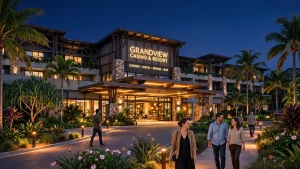
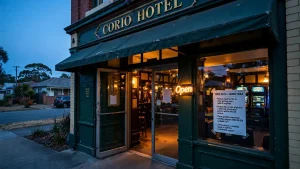
Room rates and offers depend on their inclusions, cancellation terms and restrictions, alongside practical options for dining, poker and getting around.
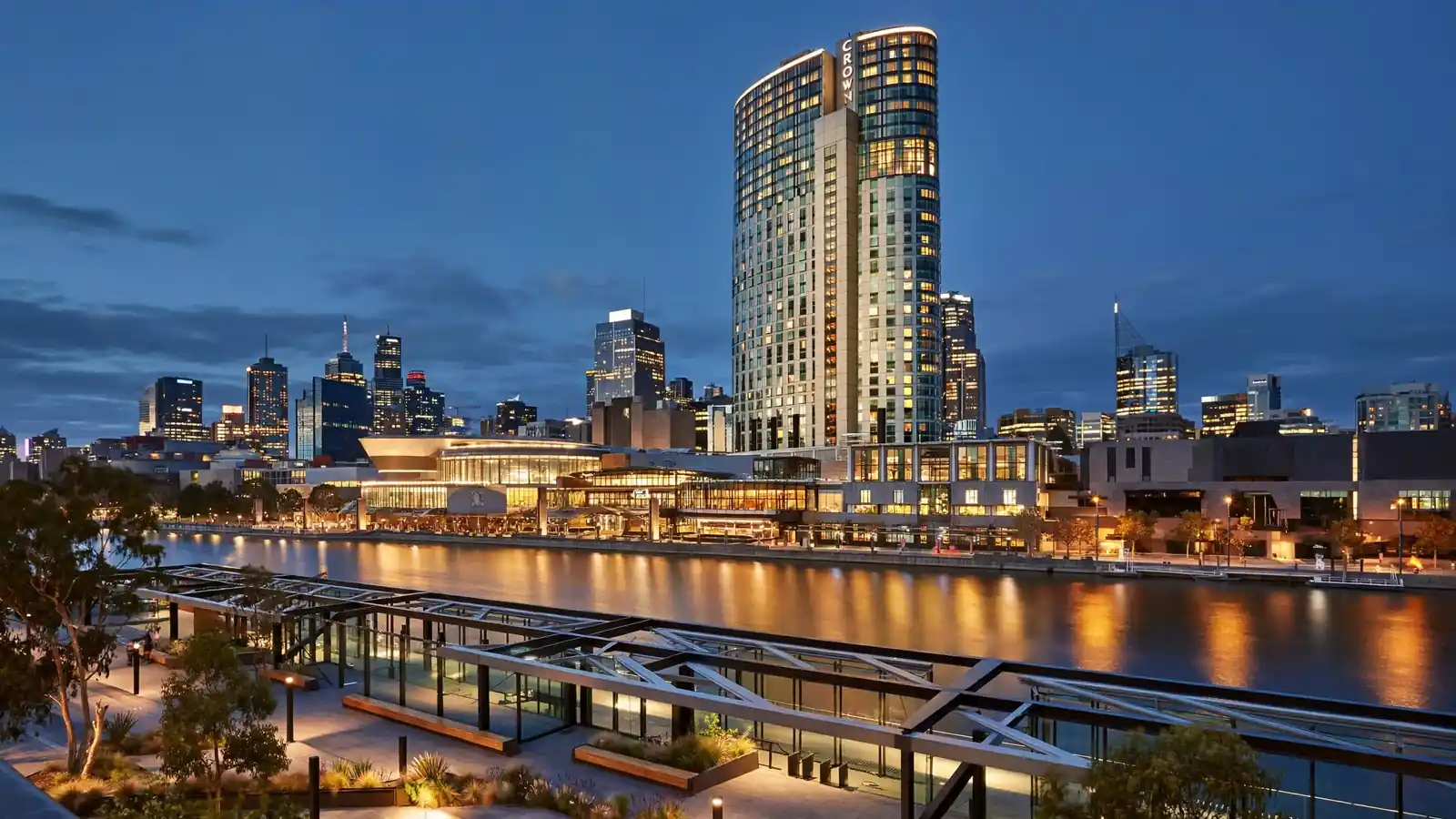
A casino hotel in Melbourne is best assessed as a place to stay first and a label second. The name alone does not establish what a room includes, whether a particular offer is available or how close the accommodation is to the facilities a guest has in mind. Those details belong to the booking conditions, not the gloss of the word “casino”.
For anyone comparing rooms, the useful questions are practical: what is included in the quoted price, what charges may be added, and what rules apply if plans change? A headline rate can be less informative than the conditions beneath it. Cancellation terms, payment timing, deposits and any restrictions attached to a deal can change the value of a stay without changing the room itself. A lower price is not automatically the more flexible choice.
The same care applies to hotel deals. An offer may refer to accommodation alone or bundle the room with other benefits; the wording should make clear which. Any conditions matter: dates when the offer can be used, limits on changing a booking, and whether a benefit is available to every guest or only under particular terms. A promotion connected to a casino brand should not be mistaken for a promise about gambling, winnings or access to a particular game. A hotel booking is a lodging arrangement, not a wager with a softer name.
Choosing a casino for Melbourne play in 2026 calls for checking what is known about licensing, deposits and payouts before signing up. Use this list as a starting point and verify that each service suits your needs.
Rollero Casino
Rollero Casino is listed with a Curaçao Gaming Control Board licence, OGL/2023/176/0095, held by Hollycorn N.V.
LuckyVibe
LuckyVibe is listed with a Curaçao Gaming Control Board licence, OGL/2023/176/0095, held by Hollycorn N.V.
House of Pokies
House of Pokies lists an international iGaming licence, though its jurisdiction is not named in the available information. PayID withdrawals are stated as taking 1–24 hours, and the minimum deposit is A$30, or A$10 with PayID.
Wild Tokyo
Wild Tokyo lists a Curaçao licence and a minimum deposit of A$10. Its stated payout times are 30–60 minutes for crypto and 1–5 days for fiat.
Uptown Pokies
Uptown Pokies lists a Curaçao licence and has been operating since 2017. Its minimum deposit is A$20.
MrPacho
MrPacho’s stated payout times are 30–120 minutes for crypto and 24–72 hours for fiat. The minimum deposit is A$30.
Golden Pokies
Golden Pokies lists a Curaçao licence.
WinSpirit Casino
WinSpirit Casino lists a Curaçao eGaming licence, OGL/2024/923/0383, held by Antillephone N.V. Its minimum deposit is A$30.
JustCasino
JustCasino lists a Curaçao Gaming Control Board licence.
Kingmaker
Kingmaker’s stated payout times are around 90 minutes for crypto and 1–5 days for fiat. The minimum deposit is A$30.
Room descriptions also deserve a literal reading. Categories can differ in capacity, layout, view or included services, but those distinctions should be confirmed in the property’s own current information rather than inferred from a polished photograph or a broad label. Images create atmosphere efficiently. They are less efficient at explaining conditions.
When weighing a casino hotel against other accommodation in Melbourne, the comparison is not simply between a themed property and an ordinary one. It is between the actual terms, location and facilities of specific stays. A hotel carrying a casino association may suit someone who values having accommodation and entertainment under one roof, while another guest may place greater weight on quiet, room features or the ability to choose among different neighbourhoods. Neither preference makes a property better in the abstract. The relevant question is what the booking confirms.
There is a civic distinction beneath the branding, too. A physical hotel and an online casino are not interchangeable services. Under the Interactive Gambling Act 2001, operators cannot provide real-money online casino games to people physically in Australia. A stay at a hotel associated with casino entertainment does not alter that rule or make an offshore online offer a lawful Australian casino service. Hospitality and interactive gambling sit on different sides of a legal line, however closely a brand might place them in its advertising.
That difference is worth keeping in view when a room deal appears beside a gambling promotion. Any offer should be understood according to its written conditions, and lodging should be judged on its own terms. If a booking page describes a benefit in vague language, the uncertainty is part of the offer, not a hidden advantage.
A useful comparison can therefore be made without guessing at unconfirmed room features or assuming that every property using casino language provides the same experience. Check what the room category means, what the rate includes, what changes or cancellations cost, and whether the claimed extras are clearly specified. Then compare those terms with other Melbourne accommodation on the same basis.
Names carry glamour. Conditions carry the booking.
Poker searches attached to a Melbourne casino can suggest a settled picture: a dedicated room, a published tournament calendar and a clear route from arrival to the table. Those details should not be assumed from the search phrase alone. A venue’s poker offering can change, and a tournament listed elsewhere may be old, cancelled or connected to a different organiser. The name of a game is not evidence of a seat.
For anyone comparing live poker options, the useful details are practical rather than glamorous. A listing should identify the game format, how entry works, whether places must be reserved, and what happens if a player arrives after a tournament has begun. Tournament pages should make the structure intelligible: registration and late-entry rules, blind levels, breaks, re-entry conditions and the procedure for paying prizes. If those terms are vague, the uncertainty belongs to the listing, not to the player.
Cash games and tournaments are different propositions. A cash game offers a table with chips representing money in play; a tournament has an entry process and proceeds according to its published structure. The distinction matters because a phrase such as “poker room” can describe a dedicated facility, a scheduled game or simply a page grouping several poker-related services. The label alone tells little about what is operating on a particular day.
Tournament calendars deserve the same scrutiny as any event notice. Dates, registration status and rules should be checked against the venue or organiser’s current information before travel is planned. A result copied onto a listings site can linger after its useful life has ended. The internet is a remarkably durable filing cabinet for yesterday.
There is also a legal distinction between poker played in person and online casino poker. Under the Interactive Gambling Act 2001, operators cannot provide real-money online poker and other casino-style games to people physically in Australia. That restriction concerns the online service; it should not be blurred into a claim about the rules for live play at a physical venue. Nor does a page about a live room establish that online play is lawful.
The wording around “rooms” can cause another small confusion. In a casino search, it may refer to accommodation rather than a poker space. Hotel rooms, poker tables and tournament facilities are separate offerings, each requiring its own current description. A hotel listing does not confirm a poker room; a tournament notice does not confirm accommodation.
For a useful comparison, the strongest listing is one that identifies the organiser, gives current rules and states plainly whether registration is open. When those basics are missing, a direct confirmation from the venue is more reliable than an old calendar entry or an unqualified claim that poker is available. That is less exciting than a tournament announcement. It is also how avoidable surprises are kept out of the evening.
A journey to a casino in Melbourne starts with a distinction that online searches can blur: a physical venue and an online gambling service are not interchangeable. The words “casino in Melbourne” may point to a night out, while “online casino” describes a different activity with a different legal position. The Interactive Gambling Act 2001 prohibits Australian-based operators from providing online casino games, including pokies, blackjack and roulette, to people in Australia. Offshore sites sit outside Australian regulation; although using one is technically not illegal for a player, that does not make it a locally regulated service.
For a visit in person, the practical question is less glamorous: how much of the trip depends on driving, and what arrangements need confirming before setting out? Parking availability, fees, any free-parking conditions and valet service are details that can change. They should be checked against the venue’s current official information rather than inferred from an old listing or from the word “casino” itself. A valet option is not guaranteed by the presence of a hotel or gaming floor; nor does a search result promising free parking establish that the offer applies to a particular visit.
The same restraint applies to directions. A destination pin can be useful, but the final approach may depend on the chosen entrance, roadworks, traffic restrictions or the event taking place nearby. Since the specific access arrangements matter more than a broad map label, a sensible plan confirms the destination and any entry instructions close to departure. If driving is only one option, comparing it with public transport or a taxi is a matter of timing and personal preference—not evidence that one route is always easier.
There is a small civic history in this kind of planning. Casinos are often treated in public imagination as destinations unto themselves, sealed off from ordinary urban movement. In reality, the trip belongs to the surrounding city: its roads, transit network, kerbsides and competing demands on space. Parking is not simply an amenity attached to a venue. It is a question of how a large visitor destination meets a neighbourhood that has other uses for the same streets.
That is why “Melbourne casino parking” should prompt specific checks rather than a confident assumption. Is parking on site, nearby, or both? Does valet service operate on the intended date? Is a fee involved, and are any conditions attached to a free-parking offer? These are straightforward questions, but answers should come from current venue information. A third-party directory may preserve an old arrangement long after the signs have changed.
For visitors comparing a night out with other plans, searches about casino dining or bingo do not resolve the journey either. They concern what may happen after arrival, not where a car can be left or which entrance to use. Keeping those decisions separate makes planning clearer—and avoids treating an unverified parking claim as part of the evening’s budget.
The phrase “best casino in Melbourne” can suggest a verdict about entertainment, but the best choice for a particular trip may turn on something more mundane: a reliable route and confirmed access. No glamour there. Just fewer surprises.
A room at a casino and a room near one answer different needs. The first bundles the stay with the venue; the second treats the casino as one point on a broader Melbourne itinerary. That distinction matters more than a headline offer. A lower-looking rate can be less useful if it depends on conditions that do not suit the dates or plans, while a nearby booking may offer a different balance of price, location and flexibility.
For accommodation near Melbourne Casino, “near” is a practical idea, not a promise of a particular walk or journey. The venue’s precise location, the property’s position and the route between them all shape what proximity means. A map can help compare locations, but the real choice also depends on what else the stay is meant to serve: other plans in the city, a quiet night, or simply a place to return to after an evening out. Casino Melbourne accommodation is not one uniform category.
The comparison is best made across the full booking, rather than by the first price displayed. Cancellation terms, payment timing, included services and any conditions attached to a special rate can change the value of a deal. “Melbourne casino accommodation deals” may sound like a single pool of offers, but accommodation promotions are set by individual providers and can differ in their restrictions. A casino promotion, meanwhile, is not necessarily a hotel offer. Similar wording can conceal different products.
That is where booking beyond the casino hotel can be useful: it leaves more room to compare independent places and choose according to the whole stay, rather than assuming the venue’s own accommodation is the natural default. It also calls for a little care with labels. A property described as close may still be poorly placed for a particular itinerary, and a discount may not compensate for terms that make a booking difficult to change. The lowest figure is not always the most economical decision.
The search for a Melbourne casino location is therefore only the beginning of an accommodation decision. Location tells where the venue sits; it does not establish which lodging is suitable, what a property offers, or whether its current terms are favourable. Those details belong to the accommodation provider and should be checked directly before a booking is made. The venue’s gaming machines or poker machines do not determine the quality of a nearby room, any more than the casino’s trading hours establish a hotel’s policies.
It is also worth keeping the categories separate when comparing offers. A hotel rate, a casino promotion and an accommodation package may each have their own conditions. One may concern a room, another may relate to activity at the venue, and a third may combine services. Their names alone do not show what is included or what must be done to qualify. Fine print is not decoration.
A sensible comparison starts with the purpose of the stay, then tests each option against location, terms and total cost. Nearby accommodation can be the better fit without being part of the casino; the casino hotel can be convenient without being the only relevant choice. Melbourne is a city, not an annex to a gaming floor.
A casino contact page is useful for more than finding a telephone number. It should make clear which team handles general enquiries, bookings, accessibility questions and lost property, and whether each matter is better dealt with by phone or an online form. Those distinctions save time: a reservations desk is not necessarily equipped to answer questions about a bar, a concert or a table game.
For a number or email address, the venue’s own website is a safer reference than a directory listing that may be old or copied from another page. Search results can preserve outdated details long after a venue changes its systems. The same caution applies to maps: a pin may identify a broad complex rather than the entrance or service point being sought. A map is a starting point, not a promise of precision.
Bars are often treated as part of a casino’s atmosphere, but that says little about what a particular venue actually offers. Names, menus, service times, booking arrangements and age conditions are venue-specific details. They should be checked directly before making plans, rather than inferred from photographs or a general description of the property. A polished image can establish mood. It cannot establish availability.
Concert listings call for similar care. A performer’s appearance at a large venue does not by itself confirm that the casino is presenting the show, that tickets are sold through the casino, or that a bar or gaming area will be accessible to concertgoers. The event organiser and venue should be identified separately, with dates and entry conditions confirmed through their own current channels. That small distinction can prevent a plan built around the wrong door.
Questions about baccarat or craps also need a direct answer from the venue, rather than an assumption based on what casinos elsewhere provide. Table-game availability can vary, and a general reference to gaming does not establish which games are operating or when. Online casino games are a different matter: under the Interactive Gambling Act 2001, operators may not provide real-money online casino games to people in Australia. A physical venue enquiry should not be confused with an invitation to play online.
The Australian rules around online casino services are unusually clear in one respect: the prohibition applies to operators providing those services to people in the country. An offshore site’s apparent accessibility does not turn it into a locally regulated casino. For visitors seeking a Melbourne venue’s contact details or entertainment information, the practical route remains the venue’s own published channels, not an online gaming lobby or an unofficial listing.
There is a modest social history in the demand for all these details. The casino is imagined at once as a place to meet, watch a show, order a drink and try a table game; the practical questions reveal how much organisation sits behind that image. Yet the atmosphere is not a service directory. Current specifics matter. Verify them at the point of planning.
Breakfast searches often blur three different things: a meal included with accommodation, a separate hotel breakfast, and food available to visitors who are not staying overnight. The word “buffet” makes a more specific promise about service style, but it does not establish that a buffet is operating, what it serves or when it is available. Those details belong to the current offer, not to the broad label of a casino resort.
That distinction matters in Melbourne, where a casino-and-hotel name can make a collection of separate services sound like one seamless package. A breakfast deal may be attached to a room booking rather than offered as a standalone meal; a resort description may refer to the wider property rather than to a particular dining arrangement. Before treating either phrase as a practical option, the terms of the current offer need to show what is included and who can use it. The wording does not do the work.
“Casino rewards” can refer to a venue’s customer programme, a hotel benefit, or an online gambling promotion. They are not interchangeable. A rewards scheme, if offered, has its own eligibility rules and conditions; the word itself says nothing about how points are earned, what they can be exchanged for, or whether membership affects access to a meal or stay.
Online bonuses belong to a different and legally sensitive category. Under Australia’s Interactive Gambling Act 2001, operators cannot provide real-money online casino games, including pokies and table games, to people in Australia. A promotion attached to an offshore gambling site is not a Melbourne venue’s loyalty benefit, and it should not be mistaken for one. The distinction is useful precisely because marketing language likes to make unlike things look companionable.
Employment searches raise a separate question: who is actually hiring? A position associated with a casino property could be advertised by the venue operator, a hotel or hospitality business, or an outside contractor. The place of work and the legal employer are not necessarily the same. A listing’s employer name, role description and stated conditions matter more than a broad reference to casino work.
For applicants, the useful comparison is between the work described and the terms attached to it: responsibilities, required experience, employment status and any conditions set out by the employer. A job title alone may conceal very different duties. Hospitality, guest services, administration and gaming-related work are not one occupation simply because they share an address.
The same care applies to claims about a “casino resort” as an employer. The label does not, by itself, identify the hiring organisation or establish which roles are available. A current vacancy should be assessed through the organisation responsible for the listing, rather than inferred from the property’s name.
Breakfast, rewards and jobs may appear together in the language of a destination, but they answer different practical questions. One concerns a meal and its conditions, another the terms of a membership arrangement, and the third the identity and expectations of an employer. Separate them first. The labels are not the offer.
Whether the Melbourne casino is open is a question of present tense, not reputation. Opening hours can vary by area, day or operational arrangement, so an old directory entry is a poor substitute for a current notice from the venue. A listing marked “open” may describe the property in general rather than every facility within it. For a planned visit, the useful detail is the date the information was checked and the specific part of the venue it covers.
The same caution applies to reopening notices. That word can refer to a return after a temporary closure, a change to a particular facility or a broader resumption of operations. Headlines often compress those distinctions. A dated announcement should be read for its scope: what is reopening, from when, and whether the change is temporary or continuing. Without those particulars, “reopened” says less than it appears to.
Events have their own calendar logic. A venue-wide listing may include public activities, private functions or events that require separate arrangements; a date appearing online does not by itself establish that access is unrestricted. The practical questions are modest but consequential: whether the event is still scheduled, where it takes place, and whether entry conditions apply. Calendars age quickly. Their timestamps matter.
A search for development points to a longer story than a current opening notice. Development can mean construction, refurbishment, a change in operations or a shift in how a large entertainment property fits into the city. Those are not interchangeable. A plan is not a completed project, and a completed project does not necessarily say anything about the venue’s present programme. The distinction is familiar in urban life: buildings acquire public meaning through years of decisions, while announcements arrive in a single afternoon.
A careful review of the casino therefore needs a date as well as an opinion. The review should separate observations about the venue from claims about what is currently available, and distinguish a settled change from a proposal or temporary arrangement. That is less dramatic than a sweeping verdict, but more useful. Status first; adjectives later.
For visitors weighing whether to go, the most reliable picture comes from matching current operational information with the particular purpose of the visit. A venue can be open while a specific event is not running, or an event can be listed while its arrangements have changed. These small distinctions are the difference between a functioning itinerary and a hopeful interpretation of a headline.
Melbourne casino development is also a civic question: how a major private venue changes, and how those changes are presented as part of the city’s public life. The language of progress tends to favour newness. The more telling record is what was proposed, what was delivered and what remains in use. A calendar answers tonight. A development history answers a different question.
A meal attached to a casino visit sits between two kinds of spending: the deliberate cost of dinner and the uncertain cost of staying longer in the gaming rooms. The distinction matters. A restaurant bill has a menu, a price and an endpoint; gambling offers no equivalent certainty. Treating the two as one evening’s undifferentiated budget can make the meal seem incidental when it is not.
For anyone comparing dining at Melbourne’s casino with restaurants elsewhere in the city, the useful questions are ordinary ones. What kind of food is wanted? Is the occasion a quick dinner before another commitment, or a meal meant to hold the evening on its own? Does the menu suit everyone in the group, including dietary needs? These details make a better basis for choosing than the casino setting alone.
“Restaurant” also covers very different expectations. A formal meal, a relaxed table with friends and a convenient place to eat between activities are not interchangeable, even when all involve a menu and a bill. Cuisine, service style, noise, booking arrangements and the time available can change the character of an evening. A grand dining room is no help to someone seeking an unhurried, uncomplicated meal; a casual setting may not suit a celebration. Setting the occasion first narrows the choice.
Price deserves the same attention as atmosphere. Menu prices, extras and booking conditions shape the actual cost, while a casino’s surroundings can encourage spending to blur together. Keeping the restaurant decision separate from gambling expenditure is a small act of clarity. Dinner is dinner. A wager is something else.
The city offers a wider frame than the venue itself. Melbourne’s dining identity is not contained within any single destination, and a casino meal competes with neighbourhood restaurants, independent kitchens and places chosen for a particular cuisine or mood. Convenience may favour eating where an evening is already centred; a special menu or a quieter setting may justify going elsewhere. Neither choice is inherently more interesting. The point is to choose for the meal, not for the aura around it.
For a visit planned around a particular restaurant, current menus and booking terms are more useful than broad descriptions. A menu indicates whether the food fits the occasion; booking details establish what the restaurant expects of guests. Those practical particulars can change, so they should be checked close to the intended date rather than assumed from an old listing or a general impression.
A casino can lend dinner a theatrical backdrop, but the meal remains a meal: a choice about food, company, time and cost. The glamour is optional.
An address is the least glamorous detail in a casino search, and often the most useful. “Melbourne casino” can refer to a venue, an accommodation listing or an online service; those are not interchangeable. Before setting out, confirm the venue’s full name and street address against its own current information, then check that the result refers to the physical property rather than a similarly named business or a booking page. A map pin alone is not much of an identity check.
The same care applies to references to a day spa. A search result can combine old listings, third-party pages and amenities belonging to nearby hotels, creating the impression that a spa is part of the casino when that has not been established. Any treatment menu, opening time or booking option should be tied directly to the property named in the listing. If the connection is unclear, the sensible conclusion is not that the service exists somewhere on site. It is that the listing has not proved it.
Dress expectations are another area where assumption can pass for information. A photograph of a polished room tells little about the rules at its entrance, and an old discussion may describe a policy that has since changed. A current venue notice is a better guide than general advice about what people wear in casinos. Where no specific requirement is stated, neat clothing may be a personal choice, but it should not be presented as an official dress code.
That distinction matters because dress rules can apply differently across parts of a large entertainment property. A bar, gaming floor or private event may not share identical entry conditions. For a planned visit, the relevant question is whether the particular area has a stated requirement, not whether casinos as a category have one. A direct check with the venue can settle details that a broad listing cannot.
The word “games” also needs context. A physical casino and an online gambling service are different things, despite the shared vocabulary. Under the Interactive Gambling Act 2001, operators cannot provide real-money online casino games such as pokies, blackjack or roulette to people in Australia. That legal restriction does not establish what games or facilities a particular Melbourne venue offers; those details need to be confirmed independently.
A careful check therefore runs from identity to specifics: match the full venue name and address, establish whether a spa listing belongs to that property, and confirm any dress rule for the intended area. Search snippets are useful signposts, not proof. Details change; a confident sentence on an old page does not change with them.
“Food court” suggests a particular kind of stop: informal, quick, and separate from a sit-down restaurant. It does not, by itself, establish that a casino has one. The same distinction matters when looking for food inside a large entertainment venue. A restaurant listing may describe a booked meal, while a casual outlet would suit a shorter pause; neither label should be inferred from the other.
For Melbourne casino food, the useful detail is not simply whether something to eat is mentioned, but what the venue itself currently identifies as available. Official venue information is the sensible place to confirm whether casual food options exist, where they are, and whether they are operating on the intended visit. A map, old review or passing reference can preserve an arrangement that has since changed. Search results are poor custodians of opening hours.
The pool question needs the same restraint. A hotel pool, a public swimming facility and a pool within a casino complex are different things, despite sharing a word. A photograph or accommodation description may not establish who can use a facility, whether access is included, or whether it is open to day visitors. Those distinctions matter before a pool becomes part of the plan.
There is a small cultural tell in these searches. A casino is imagined not only as a place for gambling, but as an enclosed district where a meal, a pause and recreation might all be folded into one visit. That image is convenient; it is not evidence of what a particular venue provides.
For casual dining, the question is whether an explicitly listed quick-food option fits the visit. For swimming, it is whether a pool is named and access conditions are clear. Until those details are confirmed through current venue information, neither a food court nor pool access should be treated as a given. A modest distinction, but a useful one.