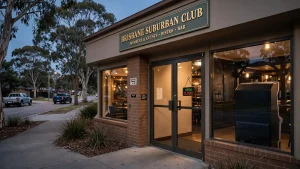
A practical look at what a Sydney casino stay can—and cannot—be assumed to include, from accommodation terms to venue amenities.
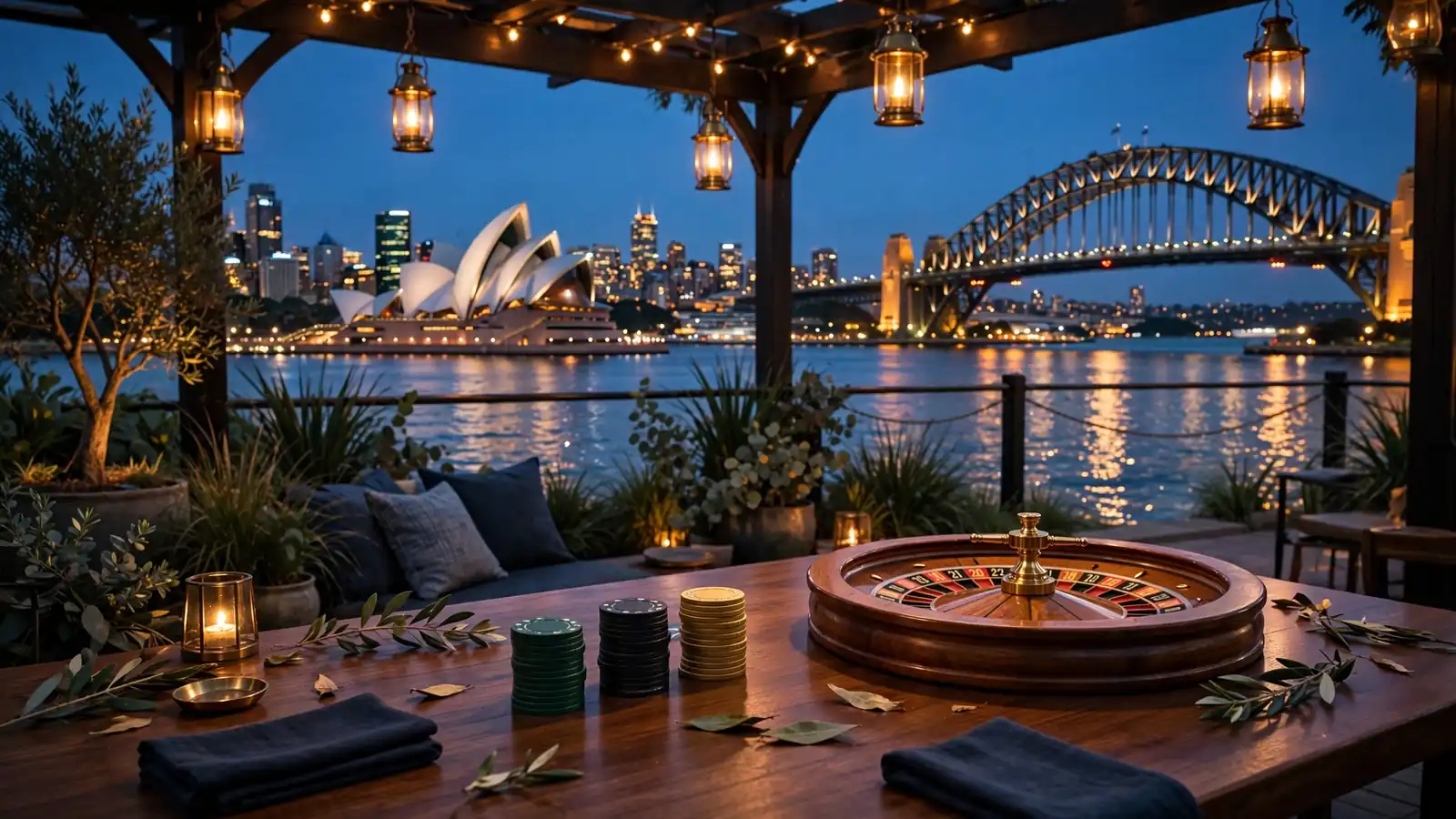
A hotel attached to a casino and a hotel chosen for its proximity to one are different propositions, even when both appear under the broad heading of a Sydney casino stay. The first suggests a single destination in which accommodation and gambling sit within the same operation or complex. The second describes a location: a place to sleep, with a casino elsewhere in the city. The distinction sounds architectural. It is also practical.
The label “casino hotel” does not, by itself, settle what is being offered. It does not establish that a particular Sydney casino has rooms, that those rooms are available on a chosen date, or that any advertised package is current. Nor does it tell a traveller what the stay includes. A name can suggest an arrangement; only the terms of a specific booking can define one.
That matters because a room is rarely just a room in the way it appears in a short listing. The price may be presented alongside access, amenities or a promotion, but those elements should be read as separate claims. Is accommodation included, or merely nearby? Is a benefit tied to a particular booking condition? Does the quoted rate apply to the dates required? Without the actual offer and its terms, “deal” is a mood rather than a description.
Choosing a casino for Sydney play means checking what is actually known about its licensing and practical details. Use these brief profiles as a starting point for deciding which options to investigate further.
Rollero Casino
Rollero Casino is listed with a Curaçao Gaming Control Board licence, OGL/2023/176/0095, held by Hollycorn N.V.
LuckyVibe
LuckyVibe is listed with a Curaçao Gaming Control Board licence, OGL/2023/176/0095, held by Hollycorn N.V.
House of Pokies
House of Pokies has an international iGaming licence, though the source does not name the jurisdiction. PayID payouts are listed at 1–24 hours, and the minimum deposit is A$30, or A$10 when using PayID.
Wild Tokyo
Wild Tokyo is licensed in Curaçao. Its listed payout times are 30–60 minutes for crypto and 1–5 days for fiat, with a minimum deposit of A$10.
Uptown Pokies
Uptown Pokies is listed as operating since 2017 under a Curaçao licence. Its minimum deposit is A$20.
MrPacho
MrPacho lists crypto payouts at 30–120 minutes and fiat payouts at 24–72 hours. The minimum deposit is A$30.
Golden Pokies
Golden Pokies is listed with a Curaçao licence.
WinSpirit Casino
WinSpirit Casino is listed with a Curaçao eGaming licence, OGL/2024/923/0383, held by Antillephone N.V. Its minimum deposit is A$30.
JustCasino
JustCasino is listed with a Curaçao Gaming Control Board licence.
Kingmaker
Kingmaker lists crypto payouts at approximately 90 minutes and fiat payouts at 1–5 days. The minimum deposit is A$30.
There is a social history folded into the idea of staying at a casino. A resort invites a guest to treat entertainment, rest and consumption as one continuous itinerary. The building becomes more than a venue; it proposes a small world with its own rhythm. That proposition can be appealing, especially when the purpose of a trip is a night out rather than a tour of the city. But the language of seamlessness should not be mistaken for evidence about any particular Sydney property.
A separate hotel makes the boundary more visible. Accommodation and the casino remain distinct choices, and the journey between them becomes part of the plan. That may suit someone who wants a broader base for a Sydney visit, or who simply prefers not to make lodging contingent on a venue’s identity. It also means that convenience cannot be inferred from a listing’s wording alone. The phrase “near the casino” needs a location and a route before it can mean much.
For a casino stay in Sydney, the useful comparison is therefore not only between room descriptions. It is between arrangements: one booking that presents the venue and accommodation as a combined destination, or a separate place to stay chosen on its own merits. Each carries a different expectation. Neither should be assumed to provide a particular room standard, package, view or service unless those details appear in the property’s current information.
The same caution applies to rooms themselves. A search result can make “casino hotel rooms” sound like a settled category, but the phrase does not guarantee that rooms are offered by a given operator or that the details remain unchanged. Availability, room types and conditions are particulars, not attributes that can safely be inferred from a casino’s name. The grand title is easy. The fine print does the work.
A considered choice begins by separating what is known from what a label implies. The destination may be a casino, the accommodation may be part of the same complex, or the two may simply be in the same city. Those are not interchangeable descriptions. Until a specific property and booking are identified, no Sydney hotel deal, room feature or combined stay can be treated as established.
That is the unglamorous distinction. A bed, a venue and a package are three different things.
“Poker” describes two different things in casino conversation. Electronic Gaming Machines (EGMs), commonly called pokies in Australia, are individual gambling machines. Poker played at a table is a card game, and a poker room or tournament refers to that setting. The shared word can make a venue search sound more specific than it is: machine play, table poker and a tournament are not interchangeable experiences.
For poker-machine gambling in New South Wales, the legal minimum age is 18. Venues check identification, and trying to gamble below the permitted age can carry legal consequences. The rule draws a clear boundary around access, even if the atmosphere of a gaming floor can make gambling seem like just another part of a night out.
NSW also requires a pre-commitment step for poker-machine play. Before starting, a player sets a loss limit. It is a way of deciding in advance where play must stop, rather than making that decision in the heat of a session. The measure reflects a particular view of gambling regulation: personal choice is allowed, but the state places a limit-setting procedure before the machine is switched on. A small pause, with a serious purpose.
The distinction matters when a search for poker at a Sydney casino might mean a tournament, a table game or pokies. None should be inferred from the other. A poker tournament is not a room of poker machines, and a gaming floor does not by itself describe what table games or events are taking place. Likewise, the phrase “casino rooms” can mean accommodation in one context and a dedicated gaming area in another. The words travel more easily than the details.
Club Liverpool offers a useful NSW comparison, but it is a club, not a Sydney casino. Among clubs in the state, it operates more poker machines than any other. That tells something about the scale of machine gambling in the club sector; it does not turn the club into a casino or make its facilities a guide to a Sydney venue. The distinction is worth keeping. Institutions with gambling machines can occupy very different places in local life, from social clubs to casinos, while remaining subject to rules about who may play.
Sports-bar searches introduce yet another category. A bar showing sport, a poker room and a bank of pokies may all sit within the broad language of a night out, but one does not establish the others. Nor does the presence of any gaming area answer whether table poker or tournaments are available. Each is a separate feature, not a synonym.
The practical picture is therefore less cinematic than the words “poker room” suggest: the age threshold, identification checks and advance loss-limit setting are the firm NSW markers for poker-machine gambling. The name on a sign matters less than the kind of gambling involved. In regulation, categories do the quiet work.
Breakfast is one of those modest plans that becomes surprisingly specific once attached to a casino: a table before a show, a buffet before a long day, perhaps a room and meal imagined as one resort experience. But a search for breakfast at a Sydney casino does not, by itself, establish that a buffet is operating, what it serves, or when it opens. Those details belong to a particular venue and date, not to the general idea of a casino stay.
The distinction matters because “buffet breakfast” can sound like a standing feature, when it may instead describe an offer, a service period or a memory of a past visit. A menu can change; service can be seasonal or tied to a separate dining outlet. Without current venue information, naming dishes, hours or prices would turn an attractive possibility into a promise. The wording is easy. The evidence is harder.
The same caution applies to the broader label “casino resort”. It suggests a self-contained world in which accommodation, food and entertainment sit under one roof, but the label cannot establish which facilities are available at a Sydney property. Nor does it show whether breakfast is included in a stay, sold separately or offered at all. Those are practical distinctions, not fine print.
Rewards programmes invite another small leap of imagination: a meal earned through points, a breakfast discount, or a benefit attached to a particular membership tier. None should be assumed from the existence of a casino or resort name. A rewards scheme, where one exists, has its own terms, and dining benefits can differ from other offers. The useful question is not whether rewards sound generous, but whether the exact breakfast benefit is stated for the relevant venue and date. A vague promise is not a meal.
There is also a difference between a buffet and breakfast served in a restaurant. The first describes a style of service; the second says little about format, menu or access. Combining the terms in a single phrase does not make them interchangeable. Someone planning an early meal needs the actual service details, rather than an inference drawn from a property’s general character.
Employment searches sit at a different edge of the same picture. A casino job in Sydney might mean work in food service, hotel operations, gaming or another department, but the phrase alone identifies no live vacancy, employer or conditions. Job titles and recruitment pages need to be checked as current information; a broad impression of a “resort” is not a description of its workforce. The public image is polished. The work behind it is specific.
For breakfast, the practical test is therefore narrow: confirm the venue, the date, the service format and whether access depends on a booking or stay. For a buffet, confirm that it is actually being served, rather than treating the word as a permanent amenity. For rewards, read the benefit attached to the exact offer. And for employment, rely on a current listing rather than a general label.
A casino breakfast in Sydney may be the plan. It is not a fact established by the phrase alone.
Parking and online gambling are separate questions, even when both are attached to the same Sydney casino search. A car park, valet service or complimentary parking arrangement is a venue amenity; its availability and conditions depend on the particular property. The phrase “casino parking” cannot establish whether spaces are available, whether valet parking is offered or whether parking is free. Those details need current confirmation from the venue itself.
That is less glamorous than a promise of effortless arrival. It is also more useful than treating an unverified amenity as a feature.
The same care applies to dining and bingo. Searches combining a Sydney casino with restaurants, meals or bingo do not by themselves establish what a venue offers. Parking, food and entertainment are practical reasons for choosing a destination, but they are not interchangeable with the legal status of online casino play. One cannot answer the other.
The distinction matters because the Interactive Gambling Act 2001 addresses the operator’s conduct, not the convenience of reaching a physical venue. An Australian-run online casino cannot lawfully offer casino services to people located in Australia. The restriction covers online casino games such as pokies, blackjack and roulette. A website’s Australian branding, or its use of a city name, does not turn that service into a lawful local online casino.
This can make “online casino in Sydney” sound like a simple extension of a venue search, when it is not. The physical casino question concerns a place, its facilities and the arrangements for getting there. The online question concerns a service that Australian operators are prohibited from supplying to people in the country. The words may sit together in a search box; the rules do not.
The legal boundary is easy to blur in advertising. A page may present a casino as a destination and then invite an audience towards online play, as if the second were merely another way to spend an evening. But a restaurant booking, a parking arrangement and an online casino account belong to different categories. The first two are venue details. The third is subject to federal law.
For anyone comparing a physical casino in Sydney, parking should therefore be checked as a specific amenity, not assumed from the word “casino.” The same applies to valet service or any claim of free parking: without current details from the venue, no reliable answer follows. The online issue has a firmer answer. Australian-run operators cannot offer online casino games to people in Australia under the Interactive Gambling Act.
A city address can be checked. A legal distinction cannot be wished away.
“Near” is a flexible word in accommodation listings. It can describe a property within an easy walk, one reached by public transport, or simply somewhere in the same broad part of a city. Without a named hotel and a checked route, the label says little about the time or effort involved. A Sydney casino stay therefore cannot be assessed by proximity alone.
The practical question is not only how far a room sits from a casino, but how that distance works at the hours and pace of the trip. A route that looks short on a map may involve crossings, hills, construction or a transport connection; a longer one may be straightforward. Those details belong to a specific address and date, not to the general phrase “accommodation near Sydney casino”.
The same restraint applies to deals. A rate described as a casino accommodation offer might bundle a room with something else, impose conditions, or apply only on selected dates. The word “deal” is not a description of value by itself. Comparisons need the full price, what is included, cancellation terms and any restrictions. Otherwise, a headline rate is merely a headline.
Promotions also have different meanings in different settings. A hotel promotion concerns a stay; a casino promotion may relate to gaming or membership. A clear description names the provider, the dates and the terms. Anything vaguer leaves the substance to guesswork.
For people arranging a visit, lodging and casino access are separate decisions even when a marketing label joins them. A room can be suitable for a city break without being attached to a gaming venue; a venue’s presence does not establish that it operates accommodation itself. The distinction matters because “Sydney casino accommodation” can describe either a hotel stay associated with a casino or a room somewhere nearby. Those are not necessarily the same arrangement.
A useful comparison begins with the accommodation’s own address and conditions, then considers the route to the intended destination. Booking language should be read literally: “nearby” is not a measured distance, and “special offer” is not a promise that every cost has been included. Availability and prices change, so a claim made for one date cannot stand in for another.
There is an unromantic virtue in separating the room from the venue. It prevents a city location from being mistaken for a hotel amenity, and a promotion from being mistaken for a guaranteed saving. The phrase “casino stay” may suggest one seamless purchase; in practice, the room, the route and the gaming venue each have their own terms. A map and a booking page can settle the first two. The wording of an advertisement cannot.
A request for a casino’s contact number, map, car park or bar is practical: it concerns a physical place and the arrangements for getting in touch or finding one’s way around. Baccarat and craps point instead to particular games. The two kinds of enquiry can sit beside each other in a search, but they require different answers.
A phone number should not be guessed from an old directory entry or copied from an unofficial listing. The same caution applies to a map pin: it may identify an entrance, a neighbouring building or a route that is no longer useful. For current contact details and directions, the sensible reference is the venue’s own published information. Without a confirmed listing, a number, address or map would be more decorative than helpful.
The same restraint applies to the everyday amenities tucked into these searches. A mention of a bar or car park is not evidence of what is available at a particular Sydney casino, where it is located or how access works. Nor does the word “concerts” establish a programme or an event schedule. These are details that belong to the venue’s current notices, not to assumption.
Baccarat is a separate matter. A request for baccarat in Sydney may mean a table at a physical venue, or it may mean an online game. Those are not interchangeable. No particular baccarat table, craps offering or gaming schedule can be inferred from the name of a city or from a general casino label.
The law draws a firm boundary around online casino games. Under the Interactive Gambling Act 2001, operators based in Australia cannot provide real-money online casino games to people in Australia. The restriction covers games such as blackjack and roulette as well as pokies; baccarat and craps do not become a lawful online offer merely because they are described as table games.
Offshore platforms occupy a different legal position, but that is not an endorsement. They are not regulated under Australian law, and the fact that using one is technically not illegal for an Australian player does not make it a locally protected service. The distinction is between the operator’s obligations and the player’s position, not between a safe option and a less safe one. A grey area is still grey.
That boundary can be easy to miss when the same game name appears in a venue’s entertainment material and on a screen. A physical casino enquiry belongs with the venue; an online casino offer to people in Australia is restricted for Australian-based operators. One does not establish the other.
For contact details, a car-park entrance or a map, only a current venue listing can settle the practical question. For online baccarat or craps, the legal distinction matters before any game description does. The two routes should not be confused.
Whether a Sydney casino is open is a question about a physical venue, not a digital lobby. Opening and reopening status can change, and a development announcement, jobs listing or entertainment event does not by itself establish that the gaming floor is operating or what its hours are. Those details need a current notice from the venue or its operator. Without one, a specific schedule or reopening date would be guesswork.
The same distinction applies to events and menus. A performance may take place at a complex without showing that every part of it is open; a menu listing says little about gaming access. A review, meanwhile, may describe a visit at a particular time rather than the venue’s present status. These are related pieces of information, but they are not interchangeable. A calendar is not a door sign.
Online access follows a different logic. Under the Interactive Gambling Act 2001, operators cannot provide real-money online casino games to people physically in Australia. A website or game lobby appearing on a screen does not change that legal boundary, nor does it answer whether a Sydney venue is open to visitors.
Geographic blocking is also distinct from a venue’s opening hours. Online services can use an internet connection’s IP address to estimate where a player is located. When games are blocked for a region, they do not appear in the lobby accessed from an Australian IP address. A missing game, therefore, is not evidence that a physical casino has closed, just as a visible website is not evidence that its games are available lawfully in Australia.
The two meanings of “open” are easy to collapse because both involve access. One concerns doors, staff and a venue’s operating schedule; the other concerns software responding to a location signal. A Sydney casino’s current hours require current venue information. An online lobby’s contents can vary according to regional restrictions. Neither should be used as a substitute for checking the other.
That distinction matters when plans depend on a particular event, a visit, or simply knowing whether the venue has resumed operations. Development news may describe a project; employment notices may indicate recruitment; neither confirms public opening hours. For a decision about attending, only an up-to-date venue announcement can settle the practical question. For online casino games, the Australian legal restriction remains separate from that answer.
Different doors. Different rules.
An address is the least poetic part of a night out and often the most consequential. A name attached to a building can be familiar while its entrance, access arrangements or listed address have changed. For a visit to a Sydney casino, the useful detail is the current address published by the venue itself, not a pin copied from an old directory or an assumption based on the district. The distinction matters particularly when a property has more than one public entrance or shares a precinct with other businesses.
Clothing carries a different kind of uncertainty. A dress code may depend on the particular space or event, and a photograph of a polished room says little about what will be accepted at its door. The sensible approach is to check the venue’s current guidance for the exact bar or gaming area being considered, then confirm any ambiguity with staff before setting out. That is not a matter of dressing to impress a building; it is a matter of avoiding an awkward disagreement with a door policy.
Bars are similarly specific. A casino’s presence in a city does not establish which bars operate there, what they serve, or whether access is tied to another part of the venue. The details worth confirming are the bar’s name, location within the property, entry conditions and current service information. A broad label such as “casino bars” is not a useful substitute for those particulars.
A day spa or other spa facility needs the same care. The word “spa” can refer to a dedicated treatment business, a hotel amenity or a service elsewhere in the surrounding precinct. Those are not interchangeable, and none should be inferred from the casino label alone. Before planning around a treatment, the essential checks are whether the facility belongs to the venue, what services it offers, how appointments are arranged and whether access is available to non-guests.
Careers belong to another side of the same address. Casino employment may involve the operator, a contractor or a separate business within the precinct; a general location name does not identify the employer. Applications are best matched to the organisation named on the vacancy, with the role, worksite and application route taken from its own current careers information.
Even a request for casino games can mean different things: a physical gaming area, a particular table game, or an online product. Those distinctions matter in Australia, where the Interactive Gambling Act 2001 prohibits operators from providing real-money online casino games to people in the country. A venue’s physical presence does not make an online offer lawful. Details deserve their own check.
A restaurant associated with a casino is more than a convenient noun in a venue description. It may suggest a particular kind of meal, a view, a late table or a reason to stay after the gaming floor has lost its appeal. None of those associations, however, follows from the word “casino” alone. Dining is its own offer, with its own menu, service times and practical conditions.
That distinction matters in Sydney, where a broad label such as “casino restaurants” can make a collection of very different expectations sound like one settled proposition. A restaurant might be imagined as formal or casual, suited to a quick meal or a long evening. Those are useful categories when attached to actual details; without them, they are scenery supplied by the imagination.
The same caution applies to rooftop bars. The phrase carries an architectural promise: height, open air, perhaps a skyline at dusk. But a search for a rooftop bar connected with a casino is not confirmation that such a venue exists, or that it serves food, welcomes diners at a particular time, or operates in the way a visitor expects. The view is doing a great deal of work before anyone has established there is one.
Menus and opening times are not decorative information. They determine whether a dining venue suits a planned visit, whether a kitchen is serving, and whether a particular meal is available. A restaurant name without those particulars offers little basis for deciding between alternatives. Even a polished description can leave ordinary questions unanswered: what is served, when service begins and ends, and whether the listed venue is operating on the intended date.
There is a wider social habit behind this confusion. Large leisure venues are often treated as complete worlds, as though gambling, accommodation and dining must arrive together in one dependable package. In practice, each is a separate service, and each needs its own description. A casino’s identity cannot stand in for a restaurant’s menu, just as a restaurant’s address cannot establish what else a building contains.
For Sydney, the sensible distinction is between the idea of dining at a casino and the concrete particulars of a named restaurant. The first can be imagined from the setting; the second depends on details that can change and should be read as details, not inferred from the setting. A rooftop bar belongs to the same category: an appealing phrase, but not a specification.
Atmosphere is easy to advertise. Dinner requires a menu.
A casino’s food court and pool belong to different kinds of expectation. One suggests a quick, informal meal between other plans; the other, a leisure facility that might be open to hotel guests, day visitors or neither. Neither follows automatically from the word *casino*. In Sydney, those amenities should be treated as venue-specific details, not as standard parts of a visit.
The distinction matters because a search for casual food can bring a different need from a search for a restaurant. A food court implies choice gathered in one place, a relaxed dress code and little ceremony. But that picture is not evidence that a particular casino has one, or that its stalls are operating when someone arrives. Menus, trading hours and access arrangements need confirmation with the venue itself.
A pool is an even less reliable assumption. It may be part of a hotel, a separate leisure facility, or absent altogether. Even where a venue has one, entry could depend on the type of booking or other access conditions. A photograph or a broad description of the property would not settle those practical questions.
This is a small but telling feature of casino architecture: the building’s public image often gathers together dining, play and recreation, while the actual boundaries between them remain specific. A pool can be an amenity without being open to every visitor; casual food can be nearby without forming a food court inside the venue. The distinction is ordinary. The disappointment is not.
For a planned visit, the useful check is direct and narrow: whether casual, counter-service food is available on site, and whether a pool exists and who may use it. Those answers should be confirmed before they become part of the day’s itinerary. A name on a map cannot supply them.
Australian-based operators cannot legally offer online casino games such as pokies, blackjack and roulette to people in Australia. Australian players can technically play on offshore sites, but those sites are not regulated under Australian law, and operators or game providers may block access from Australia.
You must be 18 or older to gamble on poker machines in NSW. Players must also set a loss limit before playing.
Online pokies use a Random Number Generator, so each spin is independent and previous results do not affect the next one. RTP describes the theoretical share of wagers paid back over a very large number of spins.
Free-spin winnings commonly require 20 to 50 times wagering before withdrawal; one stated condition is 30 times. Pokies typically contribute fully toward wagering requirements.